Young Buyers and Car Choices

Raghu Yadav
| 13-03-2026

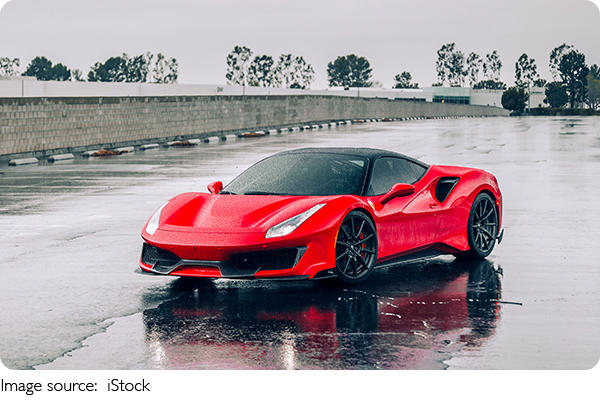
Scrolling through social media, it's easy to spot the cars that catch young people's attention: sleek lines, bold colors, and glowing screens inside.
For today's younger generation, buying a car isn't just about getting from point A to point B—it's about making a statement, experiencing technology, and blending style with convenience.
Understanding what drives their choices can help manufacturers, dealers, and even parents navigate this evolving landscape.
Visual Appeal: More Than Just Looks
Young buyers often prioritize design over traditional considerations like engine size or fuel type. A striking exterior can make a car feel personal and modern.
Color and finish: Vibrant or unconventional colors, matte finishes, and two-tone options attract younger buyers. For example, offering a “sunset orange” trim can make a model stand out on social media feeds.
Interior aesthetics: Ambient lighting, modern dashboard layouts, and minimalistic interiors can make a car feel futuristic. A compact car with customizable LED interior lighting, for instance, can elevate the driving experience.
Personalized design options: Allowing buyers to select wheel styles, upholstery patterns, or accent trims creates a sense of ownership. Online configurators that simulate these options help buyers visualize their ideal vehicle.
Visual appeal isn't just surface-level—it influences pride in ownership and social perception, which are strong motivators for younger consumers.
Technology and Connectivity Expectations
Beyond looks, technology is a major factor in purchase decisions. Younger buyers often see cars as extensions of their digital lives.
Infotainment systems: Intuitive touchscreen interfaces with smartphone integration are essential. A vehicle that seamlessly mirrors a phone's apps and notifications can feel like a personal hub on wheels.
Safety tech and driver aids: Adaptive cruise control, lane-keeping assist, and automatic parking systems aren't just convenient—they're expected. Demonstrating these features during test drives can sway buyers who value both security and novelty.
Software updates and smart features: Cars capable of over-the-air updates keep tech current without requiring a new purchase. For example, a system that improves navigation or adds new driving modes over time creates lasting value.
By offering seamless tech integration, cars become more than transport—they become a lifestyle tool for work, socializing, and entertainment.
Practicality Meets Lifestyle
While style and tech matter, young buyers also consider how a car fits into their daily routines. Compactness, fuel efficiency, and cargo flexibility play a role alongside aesthetics.
Urban maneuverability: Compact cars or SUVs with tight turning radii and parking assist appeal to city dwellers navigating crowded streets. A subcompact EV with a 9-meter turning circle, for instance, makes city driving easier.
Storage solutions: Innovative storage like foldable seats, hidden compartments, or modular trunks adds practicality without sacrificing style. Demonstrating how a skateboard or gym bag fits in the trunk during a test drive helps buyers see real-world usability.
Eco-conscious choices: Younger buyers often factor sustainability into decisions. Hybrid or electric models with lower carbon footprints can attract buyers balancing environmental concerns with lifestyle needs.
Cars that successfully blend practical features with lifestyle compatibility appeal to both functional and aspirational desires.

Brand Perception and Social Influence
Brand image and peer perception strongly influence young buyers. Recommendations, online reviews, and social media buzz often outweigh traditional advertising.
Influencer endorsements: Seeing a popular figure showcase a vehicle's features online can spark interest. A short, authentic video demonstrating a car's smart tech or exterior appeal can reach thousands instantly.
Community and ownership pride: Clubs, online forums, and social media hashtags allow owners to showcase their cars. Brands fostering a sense of community create loyal followings.
Transparent communication: Honest marketing about pricing, features, and maintenance builds trust. Young buyers respond positively when brands are upfront and avoid overpromising.
A strong brand presence, coupled with authentic engagement, can turn curious buyers into enthusiastic advocates.
For the younger generation, choosing a car is an intersection of aesthetics, technology, practicality, and social identity. Cars aren't just vehicles—they're expressions of personality and lifestyle. By recognizing the values, preferences, and expectations of these buyers, manufacturers and dealers can craft offerings that resonate, build loyalty, and create memorable ownership experiences that go far beyond the ride itself.