Most Stunning Rice Terraces

Pardeep Singh
| 14-04-2026

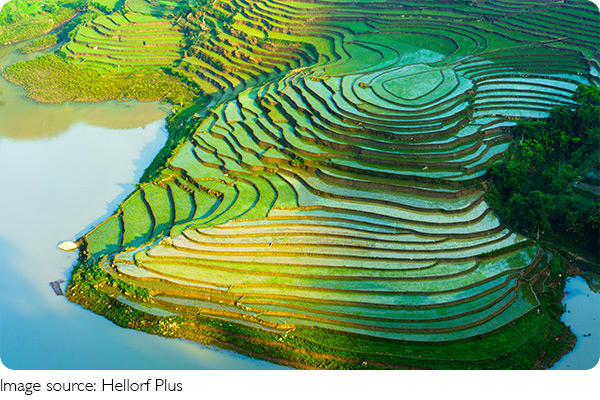
Have you ever stood somewhere so visually overwhelming that your brain takes a moment to confirm what your eyes are seeing is real?
That is the experience most visitors describe when they first look out over the Tegallalang Rice Terraces north of Ubud.
Layers of carved green steps cascade down a narrow river valley, water catching the light between the paddies, palm trees punctuating the edges of each tier. It looks like a painting that somebody forgot to tell was real life. If you are planning a trip to Bali and have not put Tegallalang on your itinerary, this is your reason to add it.
Tegallalang Rice Terrace
What Makes Tegallalang Different From Other Rice Terraces
Bali has rice terraces in many parts of the island, but Tegallalang has several qualities that consistently place it above the rest for visitors. The terraces are managed using a centuries-old cooperative irrigation system called subak — a method of community water sharing that has been practiced across Bali for over a thousand years and was recognized by UNESCO as part of the island's cultural landscape heritage.
The subak system divides water from a single upstream source across dozens of farming plots simultaneously, ensuring each terrace receives equal irrigation without conflict. Walking through the terraces, you are looking at a living agricultural system that predates most of the world's current irrigation infrastructure by centuries. That context transforms what might otherwise be a scenic viewpoint into something considerably more meaningful.
The terraces also change dramatically depending on the season and the agricultural cycle. During planting season, the paddies are flooded and reflective — mirror-like surfaces that double the sky. During growing season, the terraces turn an almost impossibly vivid green. During harvest, golden stalks replace the green. Each phase offers a completely different visual experience, which is why photographers return multiple times across a single trip.
Getting There
Tegallalang is located approximately 9 kilometers north of Ubud, the cultural center of Bali. The most practical way to reach it is by hiring a private driver or renting a scooter — the road follows a winding route through villages and rice fields that makes the journey part of the experience.
From Ubud center, a private driver for a half-day trip including Tegallalang typically costs between $15 and $25 depending on the duration and whether additional stops are included. Scooter rental in Ubud runs approximately $5 to $8 per day. Ride-hailing apps including Grab operate in the Ubud area and can be used for a one-way trip for approximately $4 to $7.
Taxis in the traditional sense are less common in this part of Bali, and negotiating with private drivers at the site itself typically results in higher prices than arranging transportation in advance from your accommodation.
Entry, Opening Hours, and Practical Costs
The terraces themselves are open to visitors throughout the day, with the most comfortable visiting hours being early morning from around 7 a.m. to 10 a.m. before the midday heat and the peak crowd arrival. Sunset visits from around 4 p.m. onward offer softer light and a different quality of atmosphere.
Entry to the main terrace viewing area is free, though a small donation — typically around $0.50 to $1 — is collected by local farmers whose land forms the pathway network through the terraces. Some sections of the terrace require a separate access fee of approximately $1 to $2 to walk through the paddies themselves rather than viewing from the ridge above.
Several swing installations have been built along the terrace edges offering dramatic aerial views over the valley. These have become extremely popular for photography and cost between $10 and $20 per session depending on the installation and duration.
Where to Stay Nearby
Staying in Ubud places you within a short drive of Tegallalang while giving access to the full range of the region's cultural attractions, restaurants, and wellness offerings.
Komaneka at Bisma is one of Ubud's most celebrated properties, built into a forested river valley with infinity pool views over the jungle canopy. Rates begin at approximately $350 per night. Alaya Resort Ubud offers boutique-style accommodation in the center of Ubud with contemporary design and a rooftop pool from approximately $180 per night.
For travelers seeking more modest accommodation, the Ubud area has a wide range of guesthouses and small family-run properties available from approximately $25 to $60 per night, many of which include breakfast and offer genuine local hospitality that larger properties cannot replicate.
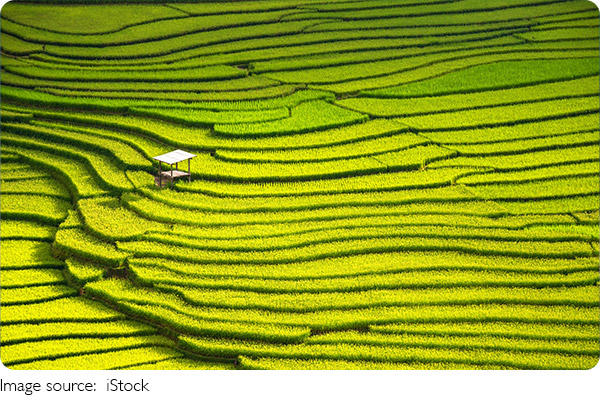
Tegallalang is one of those places that earns its reputation honestly — not through marketing but through the simple fact that standing at the edge of that valley, looking out over centuries of human ingenuity carved into a hillside, produces a feeling that is genuinely difficult to replicate elsewhere. Have you been to Tegallalang, or is it on your list? Either way, the terraces will be there — green, golden, or flooded — waiting for the light to hit them in exactly the right way.